
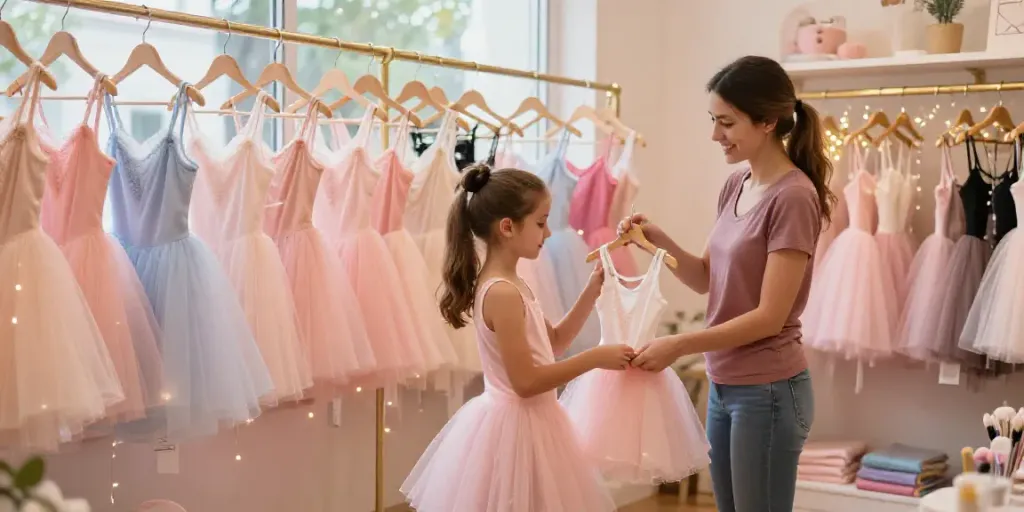
Understanding the Tutu Store Landscape
In the vibrant world of dance and performance, tutu stores play a pivotal role in providing essential attire for dancers of all ages. These specialty shops cater to a diverse clientele, from budding ballerinas to seasoned performers. In 2026, the tutu store landscape is evolving, influenced by trends in fashion, technology, and customer preferences. When exploring options, tutu store offers comprehensive insights into these evolving dynamics, enabling customers to find the perfect tutu for every occasion.
What to Expect from a Tutu Store?
Tutu stores are not merely retail spaces; they are sanctuaries for dancers and parents who share a passion for dance. Shoppers can expect a broad range of products, including:
- Ballet Tutus: The classic ballet tutu comes in varying styles, such as classical, romantic, and contemporary.
- Dancewear: This includes leotards, tights, and warm-up gear designed for comfort and mobility.
- Accessories: From tiaras and hairpieces to tights and shoes, a tutu store provides everything needed to complete the dancer's look.
- Custom Options: Many stores offer bespoke services to create unique tutus tailored to specific performances.
Key Trends in Tutu Shopping for 2026
As we look ahead, several trends are shaping the way dancewear is designed and sold. These include:
- Sustainability: A growing emphasis on eco-friendly materials and production methods is becoming paramount.
- Customization: Shoppers increasingly seek personalized items that resonate with their unique identities.
- Technology Integration: Advances in virtual fitting technologies allow customers to try before they buy, leading to better-fitting garments and higher satisfaction rates.
Understanding Tutu Fabrics and Styles
A tutu’s style is heavily influenced by its fabric selection. Common materials include:
- Tulle: Lightweight and sheer, tulle is most commonly associated with traditional ballet tutus.
- Organza: Often used for its crispness, organza gives tutus structure and volume.
- Stretch Fabrics: Fabrics like spandex and lycra are used for modern dance attire to facilitate movement.
Choosing the Perfect Tutu for Your Child
Selecting the ideal tutu can be a delightful yet daunting task for parents. With so many options to choose from, understanding how to navigate this process effectively is crucial.
Factors to Consider When Selecting a Tutu
When selecting a tutu, consider the following factors:
- Purpose: Is it for a recital, competition, or casual dress-up? Each occasion requires different types of tutus.
- Fit and Size: Ensure you measure your child and refer to sizing charts for the best fit; too big or too small can affect performance and comfort.
- Style Preferences: Involve your child in the selection process to ensure they feel confident and happy in their choice.
Age and Size Guidelines for Tutu Selection
Generally, tutus come in various sizes mapped to specific age ranges. However, each brand might differ, so check size charts carefully. For young dancers, size flexibility is essential, as children grow quickly.
Understanding Performance Needs: Recreational vs. Competitive
Recreational dancers might prioritize comfort and ease of care, while competitive dancers may focus on the specific requirements of their choreography and stage presence. Knowing the difference is critical in selecting appropriate tutus.
Enhancing the Tutu Shopping Experience
Creating a positive shopping experience helps foster loyalty and encourage repeat business in the tutu retail space.
Creating a Fun Shopping Environment
Stores can enhance customer experience by designing inviting spaces that are kid-friendly and visually appealing. Interactive displays, waiting areas with engaging activities, and knowledgeable staff can make a significant difference.
Using Technology to Enhance the Experience
Incorporating technology can streamline shopping experiences. Features like online shopping, virtual try-on apps, and augmented reality can help customers find their perfect tutus from the comfort of their homes.
Customer Service Best Practices in Tutu Stores
Exceptional customer service is the backbone of any successful retail establishment. Training staff to understand dancewear and tutu fittings, alongside creating a welcoming atmosphere, is vital.
Beyond Tutus: Complementary Products and Services
While tutus are the main attraction, a well-rounded tutu store offers various complementary products and services that cater to the broader needs of dance enthusiasts.
What Accessories to Pair with Your Tutu
To complete a dance look, consider these essential accessories:
- Hair Accessories: Bows, clips, and headpieces that match or complement the tutu.
- Footwear: Proper shoes, including ballet flats, pointe shoes, and specialized dance footwear, are crucial for performance.
Additional Dancewear Offerings in Tutu Stores
Beyond tutus, stores should provide a variety of dancewear items for different styles, such as:
- Jazz and Contemporary Wear: Comfortable options that allow for flexibility and movement.
- Costumes for Recitals: Seasonal styles that cater to various dance performances.
Workshops and Events: Engaging the Community
Hosting workshops or community events can strengthen community ties and enhance the brand’s visibility. Such activities might include:
- Dance Classes: Offering classes can showcase expertise and draw in potential customers.
- Fashion Shows: Highlighting new collections and creating buzz in the local dance community.
Looking Ahead: The Future of Tutu Stores
The future of tutu stores is bright as they adapt to consumer trends and technological advancements.
Predicted Trends and Innovations for 2026 and Beyond
Key trends for the coming years may include:
- Virtual Reality Shopping: Offering immersive shopping experiences could become mainstream.
- Enhanced Customization Options: More retailers will likely provide bespoke solutions tailored to individual dancers’ needs.
The Importance of Sustainability in Tutu Production
With an increasing demand for environmentally friendly practices, tutu stores must consider sustainable sourcing and production methods to appeal to eco-conscious customers.
How to Stay Competitive in the Tutu Retail Space
To remain competitive, stores should focus on:
- Differentiating Products: Offering unique items unavailable at mass retailers.
- Building Brand Loyalty: Creating loyalty programs that reward repeat customers can foster long-term relationships.
What are the Benefits of Shopping at a Local Tutu Store?
Shopping locally allows customers to support small businesses while receiving personalized service and expertise that large retailers often lack. Local tutu stores can provide tailored advice and unique products that meet local needs.
Does Walmart Sell Tutus in Stores?
While Walmart may carry dancewear, they typically offer a limited selection of tutus compared to specialized stores. Customers seeking a wider variety of styles, sizes, and customizations are better served by dedicated tutu retailers.
What Store Can I Buy a Tutu?
Many specialized dancewear stores sell tutus, both online and in physical locations, providing a broader range of options to meet various needs.
Is Tutu an African Name?
The term "tutu" doesn’t have African roots; rather, it comes from the world of dance, referring to the poofy skirt worn by dancers in ballet. However, it’s interesting to note that language varies widely across cultures, and names may have different meanings in diverse contexts.
Does Hobby Lobby Sell Tutus in Store?
Hobby Lobby does sell various craft supplies and fabric, but their selection of tutus may not be as extensive as that found at dedicated dancewear stores.
Tutu Store Near Me - How to Locate One?
To find a tutu store near you, consider searching online or using social media platforms to identify local retailers that specialize in dancewear. Community recommendations can also be a valuable resource.