Understanding Epoxy Flooring: Benefits and Applications
Epoxy flooring has emerged as a popular choice in various residential and commercial spaces due to its durability, aesthetic appeal, and easy maintenance. This synthetic resin-based flooring solution combines a hardener and resin, resulting in a robust protective layer that can withstand heavy foot traffic, chemicals, and moisture. When exploring options, Epoxy Flooring provides comprehensive insights into the materials, benefits, and applications available today.
What is Epoxy Flooring?
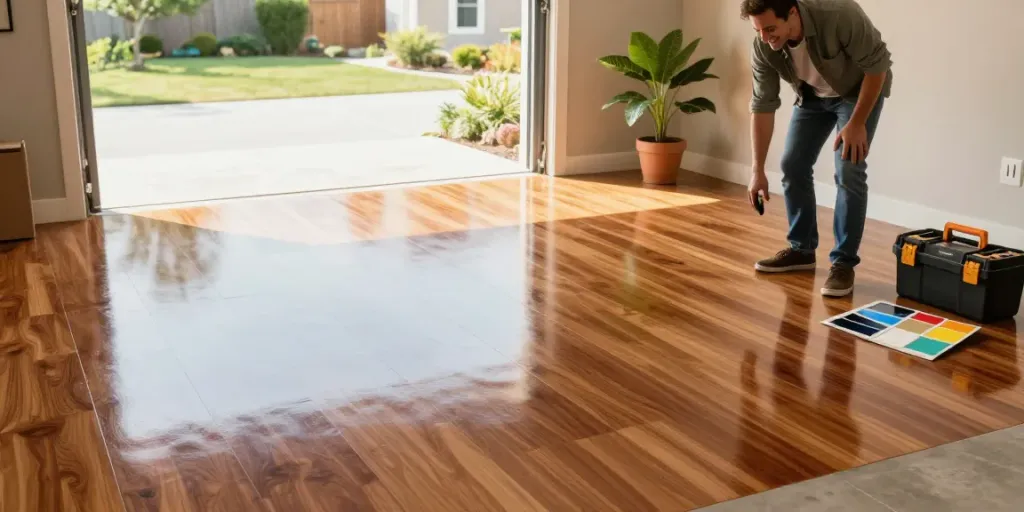
Epoxy flooring is a combination of resin and hardener that creates a strong, long-lasting surface. It is specifically designed to adhere to concrete, making it an ideal flooring solution for garages, basements, warehouses, and industrial facilities. When applied correctly, epoxy flooring creates a seamless, non-porous surface that resists stains, impacts, and abrasions.
Key Benefits of Using Epoxy for Your Floors
- Durability: Epoxy flooring is designed to withstand heavy usage and resist wear and tear, making it ideal for high-traffic areas.
- Water Resistance: The non-porous nature of epoxy makes it resistant to moisture, preventing water damage in spaces such as basements and garages.
- Aesthetic Variety: Available in a wide range of colors and finishes, epoxy can be customized to suit the décor of any space.
- Easy Maintenance: Cleaning epoxy flooring is a breeze; it simply requires sweeping and occasional mopping.
- Eco-Friendly Options: With the availability of VOC-free materials, epoxy flooring can be installed with minimal environmental impact.
Common Applications for Epoxy Flooring
Epoxy flooring is versatile and can be used in various applications, including:
- Residential Garages: Perfect for homeowners looking to enhance the durability and aesthetics of their garage floors.
- Commercial Kitchens: Its resistance to spills and ease of cleaning makes it suitable for restaurant environments.
- Industrial Facilities: Epoxy is ideal for warehouses and manufacturing plants where a strong, resilient floor is required.
- Retail Spaces: Epoxy can be used to create an attractive shopping environment that stands up to foot traffic.
Choosing the Right Epoxy Flooring for Your Needs
Factors to Consider When Selecting Epoxy Flooring
When selecting epoxy flooring, consider the following factors:
- Traffic Levels: Identify the expected foot traffic in the area to choose the correct epoxy grade.
- Design Needs: Determine if you need a solid color, flake, or metallic finish to complement your decor.
- Environmental Conditions: Consider moisture levels and temperature fluctuations in the area to enhance longevity.
- Installation Type: Decide if you prefer professional installation or are considering a DIY approach.
Eco-Friendly Options: VOC-Free Epoxy Solutions
As environmental awareness grows, so does the availability of eco-friendly epoxy flooring options. VOC-free epoxy solutions are becoming increasingly popular, offering the same durability and aesthetic appeal without harmful emissions. These materials ensure a safer installation process and contribute to a healthier indoor environment.
Comparing Epoxy Flooring Types: Flake vs. Solid Color
When it comes to epoxy flooring, the two main options are flake and solid color finishes. Flake flooring involves adding colored vinyl flakes to the epoxy layer, resulting in a textured and decorative surface. In contrast, solid color epoxy offers a sleek and uniform appearance. The choice between the two ultimately depends on aesthetic preferences and functional requirements.
Preparing Your Space for Epoxy Flooring Installation
Essential Preparation Steps Before Applying Epoxy
Proper preparation is crucial for a successful epoxy flooring installation. Begin by cleaning the existing concrete surface thoroughly, removing any dirt, grease, or loose paint. Additionally, ensure the floor is completely dry before proceeding with the application. Filling in any cracks or holes is essential to create a smooth foundation for the epoxy.
Common Mistakes to Avoid During Preparation
Some common mistakes during preparation include:
- Neglecting Surface Cleaning: Failing to clean the floor can hinder proper adhesion.
- Ignoring Moisture Issues: Applying epoxy on a damp surface can lead to peeling and bubbling.
- Inadequate Repairs: Skipping crack repairs can affect the final appearance and longevity of the flooring.
Tools and Materials Needed for Installation
Gather the following tools and materials before starting your epoxy flooring project:
- Concrete grinder or sander
- Vacuum cleaner
- Epoxy resin and hardener
- Mixing containers and stir sticks
- Paint roller and trays
- Safety gear (gloves, goggles, mask)
Step-by-Step Guide to Installing Epoxy Flooring
Preparation and Mixing the Epoxy Formula
To begin the installation, prepare the epoxy mixture according to the manufacturer’s instructions. Using the correct ratio of resin to hardener is essential for optimal performance. Once mixed, allow it to sit for a few minutes to achieve the right consistency before applying.
Application Techniques for a Flawless Finish
Using a roller, apply the epoxy mixture to the floor, starting from one corner and working your way out. Maintain a consistent and even application to avoid streaks and uneven patches. For flake finishes, sprinkle the vinyl flakes onto the wet epoxy while it is still tacky to ensure proper adhesion.
Post-Installation Care and Maintenance Tips
After installation, allow the epoxy to cure fully before putting any weight on it. This process can take anywhere from 24 to 72 hours, depending on the product used. For maintenance, regularly sweep and wash the floor to keep it looking pristine. Avoid using harsh chemicals that may damage the surface.
Future Trends in Epoxy Flooring: What's Next?
Innovative Developments in Epoxy Flooring Technology
As technology advances, so does the capability of epoxy flooring. Innovations in formulation are resulting in more durable, scratch-resistant, and faster-curing epoxy systems. Expect to see increased use of smart materials that respond to environmental changes.
The Rise of Eco-Conscious Flooring Solutions
With a growing focus on sustainability, the demand for eco-friendly epoxy flooring options is increasing. Manufacturers are investing in research to develop greener formulations that maintain performance while reducing environmental impact.
Predicted Trends for Epoxy Flooring in 2026
Looking ahead, we can anticipate a broader array of colors and finishes, including customizable options that enhance personalization. The integration of technology in flooring solutions will likely lead to more intelligent materials that adapt to their environment.
What Are the Benefits of Epoxy Flooring?
In summary, the benefits of epoxy flooring include:
- High durability and resistance to wear
- Waterproof properties that prevent damage
- Aesthetic versatility with many finish options
- Eco-friendly installations with low VOC emissions
How Long Does Epoxy Flooring Last?
With proper installation and maintenance, epoxy flooring can last between 10 to 20 years. Factors such as traffic levels and environmental conditions significantly influence its longevity.
Can Epoxy Flooring Be Installed Over Existing Floors?
Yes, epoxy flooring can be installed over existing concrete floors as long as they are in good condition. However, it is crucial to prepare the surface adequately to ensure proper adhesion.
What is the Cost of Installing Epoxy Flooring?
The cost of epoxy flooring installation can vary widely based on factors like the type of epoxy, the size of the area, and labor costs. On average, homeowners can expect to spend between $3 to $12 per square foot, depending on these variables.
Is DIY Epoxy Flooring Installation Practical?
While DIY epoxy flooring can be a cost-saving option, it requires careful preparation and attention to detail. Ensuring the right conditions and following the manufacturer’s guidelines are key to a successful project.