Understanding Mini Split Air Conditioners
In today’s fast-paced world, achieving comfort in your living space has become essential. Among the various cooling solutions available, the mini split air conditioner stands out as an innovative, flexible option for homeowners and renters alike. This compact system has gained popularity for its efficiency, ease of installation, and ability to provide customized climate control in different areas of a home.
What is a Mini Split Air Conditioner?
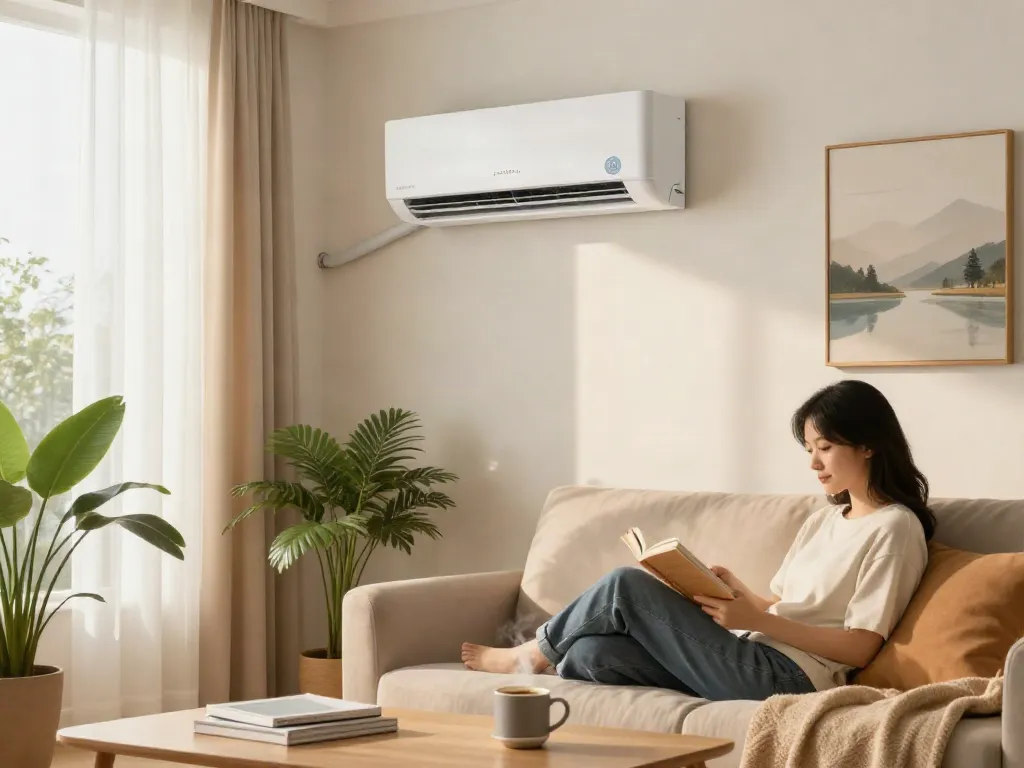
A mini split air conditioner, also known as a ductless air conditioning system, consists of two main components: an outdoor compressor unit and one or more indoor units mounted in different rooms. Unlike traditional HVAC systems that rely on ductwork, mini splits operate independently, allowing for targeted cooling and heating in specific rooms or zones. This feature is particularly advantageous for homes without existing ductwork or for those seeking to enhance energy efficiency.
Advantages of Mini Split Systems
- Energy Efficiency: Mini splits are known for their energy-efficient operation. They use inverter technology to regulate the compressor speed, which reduces energy consumption as compared to conventional air conditioners.
- Custom Climate Control: With multiple indoor units, homeowners can set different temperatures in different rooms, offering personalized comfort.
- Quiet Operation: These systems are significantly quieter than traditional units, making them ideal for bedrooms, libraries, or other quiet spaces.
- Easy Installation: Installation is less invasive than traditional systems, often requiring only a small hole for the refrigerant lines.
Common Misconceptions about Mini Splits
Despite their growing popularity, several misconceptions about mini split systems persist. For instance, some believe that these systems are only suitable for specific climates; however, modern mini splits can effectively operate in both hot and cold environments. Others may think that they are too expensive, but the long-term energy savings can make them a cost-effective option.
Choosing the Right Mini Split Air Conditioner for Your Home
With a variety of mini split air conditioners available on the market, selecting the right one can feel overwhelming. However, understanding your needs and the specifications of your home can simplify the decision-making process.
Factors to Consider When Buying
- Size of the Space: The size of the room or area you want to cool/heated is critical. Mini splits are rated by BTUs (British Thermal Units), and it's essential to choose a model that matches your space to avoid inefficiency.
- Energy Ratings: Look for Energy Star-rated models, which indicate higher efficiency and lower operational costs.
- Number of Zones: Consider how many rooms you want to cool. Multi-zone systems are available that allow multiple indoor units to connect to a single outdoor unit.
Mini Split Brands and Models to Consider
Some reputable brands in the mini split market include Mitsubishi, Daikin, and Fujitsu. Each brand offers various models tailored for different home sizes and budgets. Reading customer reviews and consulting with HVAC professionals can guide you to make an informed decision.
Energy Efficiency Ratings Explained
Energy efficiency ratings, such as SEER (Seasonal Energy Efficiency Ratio) and HSPF (Heating Seasonal Performance Factor), play a vital role in evaluating mini split systems. A higher SEER rating indicates better cooling efficiency, while a higher HSPF rating reflects superior heating efficiency. Investing in models with higher ratings can lead to significant savings on energy bills over time.
Installation Process and Tips
Once you’ve chosen the right mini split air conditioner, the next step is installation. This process can either be DIY or performed by a professional.
DIY vs. Professional Installation
DIY installation can save you money, but it requires a certain skill level and knowledge of HVAC systems. If you’re uncomfortable with electrical work or plumbing, it’s advisable to hire a licensed professional to ensure proper installation.
Step-by-Step Installation Guide
- Select the Location: Choose where the indoor and outdoor units will be installed, keeping in mind clearance and accessibility.
- Install the Wall Bracket: Securely mount the indoor unit’s bracket to the wall.
- Drill Holes: Create holes for the refrigerant lines and drain line.
- Connect the Lines: Carefully connect the refrigerant lines and electrical wiring.
- Mount the Indoor Unit: Attach the indoor unit to the bracket.
- Power Up: Turn on the system and check for proper operation.
Common Installation Mistakes to Avoid
Some common errors during installation include improper sizing of the indoor unit, neglecting to insulate the refrigerant lines, and failing to ensure adequate drainage for the condensate. Taking the time to follow installation best practices can avoid costly mistakes.
Maintenance Best Practices for Mini Split Systems
To prolong the life of your mini split air conditioner, regular maintenance is essential.
Regular Maintenance Tasks
- Clean or Replace Filters: Regularly check and clean the air filters to ensure optimal airflow and efficiency.
- Inspect the Condensate Drain: Ensure that the drain is clear to prevent water backup and damage.
- Check for Leaks: Periodically inspect refrigerant lines for any leaks that could affect efficiency.
How to Clean Your Mini Split Air Conditioner
Cleaning your mini split air conditioner involves turning off the unit, removing the air filters, and using a soft brush or vacuum to remove any dust. You can also gently wash the filters with mild soap and water. Ensure everything is dry before reinstalling.
Signs Your Mini Split Needs Repair
Common signs that your mini split air conditioner may need repair include unusual noises, inconsistent temperature output, or a significant increase in energy bills. If you notice any of these issues, it's essential to have the system inspected by a professional.
Future Trends in Mini Split Technology
The mini split air conditioning market is continually evolving, with new technologies enhancing performance and efficiency.
Innovations to Look for in 2026
Expect to see advances in smart technology, including Wi-Fi-enabled controls that allow homeowners to adjust settings remotely. Additionally, innovations in energy efficiency will focus on reducing environmental impact, making these systems more sustainable.
Smart Features in Modern Mini Splits
Many modern mini splits are equipped with smart features, such as programmable thermostats and compatibility with home automation systems. These features not only increase convenience but also enhance energy savings.
The Role of Mini Splits in Sustainable Living
As energy conservation becomes a priority for many households, mini splits play a crucial role in sustainable living. Their efficiency and zoning capabilities help minimize energy waste, making them an environmentally friendly choice.
What are the disadvantages of a mini split?
While mini split systems offer several benefits, they also come with disadvantages, such as higher upfront costs compared to window air conditioners and potential aesthetic concerns with the indoor unit's placement. However, the long-term energy savings often outweigh these initial drawbacks.
Is a mini split air conditioner worth it?
For many homeowners, investing in a mini split air conditioner is worthwhile due to its efficiency, versatility, and comfort. Evaluating your specific needs and usage can help determine if it’s the right choice for you.
How much is a mini split for a 1000 sq ft house?
The cost of installing a mini split for a 1000 sq ft home can vary, typically ranging from $3,000 to $5,000, depending on brand, efficiency ratings, and specific features. Be sure to consult multiple contractors for accurate quotes and recommendations tailored to your home.