
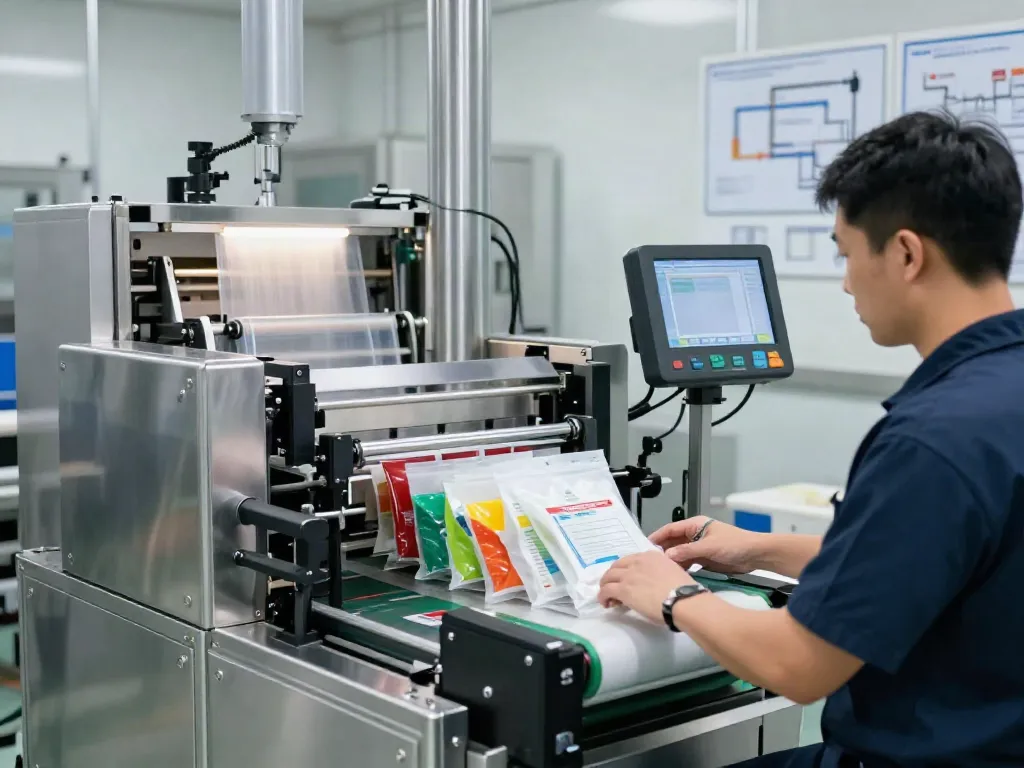
Understanding Automated Bagging Solutions
In the fast-paced world of manufacturing and packaging, efficiency is paramount. Automated bagging solutions have emerged as a critical innovation, enhancing productivity and ensuring precision in packaging processes. These sophisticated machines automate the entire bagging cycle, from bag placement to filling and sealing, enabling businesses to meet the increasing demands of their respective industries. With advancements in technology, companies are continually seeking ways to optimize their operations, reduce errors, and streamline production lines. When exploring options, automated bagging solutions provide comprehensive insights into the capabilities and advantages of today's packaging equipment.
What Are Automated Bagging Machines?
Automated bagging machines are sophisticated systems designed to package products in bags quickly and efficiently. Unlike manual bagging processes, these machines utilize advanced technology to automate various stages of packaging. Key functionalities include:
- Bag Placement: Automatically positions the bag for filling.
- Filling: Rapidly fills bags with products, whether dry, liquid, or powder-based.
- Sealing: Ensures bags are tightly sealed, preventing spillage and maintaining product integrity.
The versatility of automated bagging machines allows them to serve various industries, from food and pharmaceuticals to consumer goods. This adaptability makes them essential for any production line seeking efficiency and reliability.
Key Features of Modern Bagging Systems
Modern automated bagging systems come equipped with features designed to enhance performance and ease of use. Some of these crucial components include:
- User-Friendly Interfaces: These interfaces make it easier for operators to adjust settings and monitor production.
- Customizable Settings: Allow for different bag sizes and weights, catering to diverse product needs.
- Integration Capabilities: Seamlessly integrate with existing production lines, ensuring minimal disruption.
- Data Tracking: Advanced systems can track production metrics, helping companies assess efficiency and make data-driven decisions.
With these features, businesses can maintain a competitive edge, ensuring that their packaging processes are both efficient and cost-effective.
Benefits of Automation in Packaging
The shift towards automated bagging solutions comes with numerous benefits, driving many companies to adopt these advanced systems. Some of the most significant advantages include:
- Increased Productivity: Automation speeds up the packaging process, allowing businesses to produce more in less time.
- Reduced Labor Costs: Fewer personnel are needed to manage packaging, leading to lower labor expenditures.
- Minimized Errors: Automation reduces human error, ensuring consistent and accurate packaging.
- Enhanced Safety: Automated systems can handle dangerous or heavy lifting, improving workplace safety.
Overall, the integration of automated bagging solutions transforms the packaging landscape, making it indispensable for companies aiming for growth and efficiency.
Industries Utilizing Automated Bagging Solutions
Various industries have recognized the advantages of automated bagging solutions, leading to widespread adoption across different sectors. From food processing to pharmaceuticals, the need for efficiency and accuracy drives the trend.
Applications in Food Packaging
The food industry, characterized by its need for high standards of hygiene and rapid packaging, greatly benefits from automated bagging machines. For example:
- Snack Foods: Automated systems can quickly fill and seal bags of chips or pretzels, ensuring freshness and reducing waste.
- Frozen Foods: Packaging frozen products is streamlined with automated machines that can handle temperature fluctuations without compromising quality.
The ability to pack diverse food products consistently and efficiently positions automated bagging solutions as an essential tool in the food sector.
Pharmaceutical Industry Requirements
In the pharmaceutical industry, packaging must meet strict regulations regarding cleanliness and accuracy. Automated bagging solutions offer:
- Precision: Accurate dosing and sealing processes are critical for medications.
- Compliance: Automated systems can easily be programmed to meet FDA regulations and other compliance standards.
By utilizing these advanced machines, pharmaceutical companies can ensure their products reach consumers safely and efficiently.
Consumer Goods and Retail Packaging
The consumer goods sector requires fast and reliable packaging to meet market demands. Automated bagging machines are used to package a variety of items, including:
- Household Products: Items like detergents and cleaning supplies are packaged quickly, reducing time on the shelf.
- Personal Care Items: Products such as shampoos and lotions benefit from automated packaging that enhances shelf appeal.
These solutions not only improve efficiency but also enhance branding through high-quality packaging.
Maximizing Efficiency with Automated Bagging Solutions
To get the most out of automated bagging solutions, companies must focus on optimizing their production processes. Here are several strategies to enhance efficiency:
Streamlining Production Processes
Implementing automated bagging machines can greatly streamline production lines. Key practices include:
- Regular Maintenance: Routine upkeep of machines ensures they run smoothly and reduces downtime.
- Operator Training: Proper training for operators maximizes the machine's capabilities and minimizes human error.
By focusing on these areas, businesses can ensure their automated systems contribute effectively to production efficiency.
Reducing Labor Costs and Packaging Errors
Automating bagging processes results in significant savings on labor costs while also minimizing packaging errors. Companies should consider:
- Cross-training Employees: Employees trained in multiple areas can fill in where needed, ensuring smooth operations.
- Monitoring Performance: Using data analytics to monitor machine performance helps identify areas for improvement.
This dual approach of reducing costs while enhancing quality creates a robust packaging operation.
Implementing Customizable Settings for Diverse Needs
Different products require specific packaging solutions. Automated bagging machines often come with customizable settings that allow businesses to:
- Adjust Bag Sizes: Easily switch between various bag sizes based on product requirements.
- Modify Fill Levels: Ensures that each bag contains the correct amount of product.
Customization capabilities empower businesses to respond quickly to changing market demands.
Challenges and Considerations
While automated bagging solutions offer numerous benefits, there are challenges and considerations that businesses must be aware of. Understanding these factors is crucial for effective implementation.
Common Misconceptions About Automation
One of the most prevalent misconceptions is that automation eliminates jobs. While it may reduce manual labor needs, it often creates new roles focused on operating and maintaining automated systems. Educating employees about these changes can alleviate concerns and foster a culture of adaptation.
Initial Investment vs. Long-term Savings
Investing in automated bagging machines requires significant upfront capital. However, businesses should evaluate the long-term savings in labor costs and increased production efficiency. A thorough cost-benefit analysis can help justify the investment, demonstrating that initial costs will be offset by future savings.
Maintenance and Support for Bagging Machines
Maintenance is another essential consideration for businesses adopting automated bagging solutions. Regular servicing ensures machines continue to operate effectively. Establishing a reliable relationship with manufacturers or service providers is crucial for ongoing support.
The Future of Automated Bagging Solutions
Looking ahead, the landscape of automated bagging solutions is poised for significant evolution. As technology advances, new trends and innovations will reshape the packaging industry.
Emerging Technologies in Packaging
Emerging technologies such as Artificial Intelligence (AI) and the Internet of Things (IoT) are beginning to influence packaging equipment. These technologies can enhance automated systems by:
- Predictive Maintenance: Utilizing AI to predict when machines will require servicing, minimizing unexpected downtime.
- Real-Time Monitoring: IoT connectivity enables real-time data tracking, allowing for immediate adjustments during production.
As these technologies develop, businesses that adopt them will likely see enhanced efficiency and competitiveness.
Trends to Watch in 2026 and Beyond
The next few years will likely see several trends emerging in the automated bagging sector, including:
- Sustainability: Increased focus on eco-friendly packaging materials and processes.
- Smart Packaging Solutions: Using technology to provide product information, track freshness, and enhance user experience.
Being aware of these trends will allow companies to stay ahead in the market.
Real-world Success Stories of Automation
Several companies have successfully integrated automated bagging solutions into their operations, yielding impressive results. For instance, a leading snack food manufacturer reported a 30% increase in production efficiency after upgrading to an automated bagging system, along with a significant reduction in packaging waste and labor costs. These success stories serve as valuable benchmarks for other businesses considering automation.
What are the best automated bagging systems?
Choosing the best automated bagging system depends on several factors, including the type of products being packaged, production volume, and budget. It is essential to evaluate different systems based on their features, reliability, and adaptability to various packaging needs.
Who are some manufacturers of automated bagging machines?
Several reputable manufacturers specialize in automated bagging machines, each offering a range of products tailored to different industry needs. When selecting a manufacturer, consider factors such as warranty, customer service, and the availability of parts.
How much does a packsize machine cost?
The cost of a packsize machine can vary widely depending on its capabilities and specifications. Typically, businesses should budget for a machine that meets their production needs while considering long-term return on investment.
Is Amazon packing automated?
Yes, Amazon has implemented automated packing technologies in its fulfillment centers. This integration is part of their strategy to enhance efficiency and reduce delivery times, showcasing the growing trend of automation in logistics and packaging.
What are the benefits of automated packaging systems?
The benefits of automated packaging systems are vast, including time savings, enhanced product safety, and superior quality control. These systems enable businesses to focus on other aspects of production while ensuring packaging meets market demands.