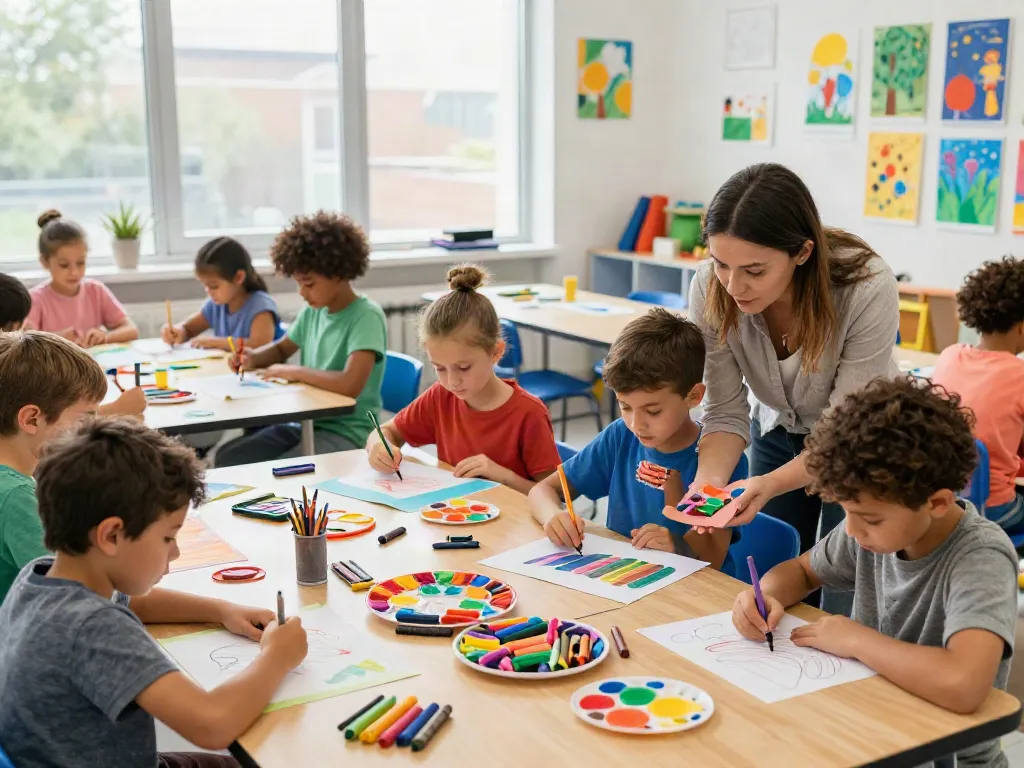
Understanding Crayon Types for Art Projects
When it comes to exploring the world of art supplies, selecting the right type of crayon can greatly influence the creativity and expression of artists, both young and old. Crayons are not just fun; they come in various forms that cater to different artistic needs. As a reputable crayon supplier, we offer insights into the distinct types of crayons available, their benefits, and how they can enhance various art projects. In this section, we will delve into the specifics of wax crayons, plastic crayons, fabric crayons, and beeswax crayons, highlighting their unique properties and applications.
What are Wax Crayons and Their Benefits?
Wax crayons are perhaps the most common type of crayon and are widely used in schools and homes. Made from a simple mixture of paraffin wax and color pigments, these crayons are known for their affordability and ease of use. One of the primary benefits of wax crayons is their accessibility; they are often sold at lower prices and have a lower minimum order quantity (MOQ), making them ideal for schools needing bulk supplies. Furthermore, wax crayons are available in a broad spectrum of colors, which allows for a diverse range of artistic expressions.
- Durability: Wax crayons resist breaking easily, making them suitable for young children.
- Vibrant Colors: These crayons offer bright, vivid colors that stand out on paper.
- Ease of Use: The smooth application allows for effortless drawing and coloring.
Exploring Plastic Crayons: Versatility and Design
Plastic crayons take the classic crayon concept a step further through innovative designs and versatility. Unlike traditional wax crayons, plastic crayons are often made with a plastic base and can be molded into various shapes and sizes. This unique characteristic allows for creative possibilities that traditional crayons cannot provide. For instance, plastic crayons can be shaped like animals or geometric figures, making them appealing to children.
- Unique Shapes: The ability to create unique designs adds to the playful nature of art.
- Durability: Plastic crayons are less prone to breaking than traditional varieties.
- Innovative Textures: Some plastic crayons offer texture variations, enhancing the sensory experience of coloring.
Fabric Crayons: Washable Art and Their Applications
Fabric crayons are another exciting option in the crayon family, specifically designed for use on fabric. These crayons allow artists to draw directly on fabric and make washable designs that can withstand multiple cleanings. This capability makes them a fantastic tool for creating personalized textiles, such as t-shirts, bags, and home décor items.
- Washable Designs: The artwork created can be washed without fading, making it perfect for clothing and other fabric items.
- Creative Applications: They can be used in classes to teach young artists about fabric art.
- Sustainability: Many fabric crayons are made using eco-friendly materials, appealing to environmentally conscious consumers.
Choosing the Right Crayon Supplier for Your Needs
Choosing the right crayon supplier is crucial for ensuring the quality and availability of your art supplies. Various factors should be considered to ensure you partner with a supplier that meets your needs. This includes understanding product quality, minimum order quantities, and the supplier's commitment to eco-friendly practices.
Evaluating Quality: What to Look for in a Supplier
Quality control is essential when selecting crayons for any artistic endeavor. A reputable supplier will provide crayons that are consistent in color, texture, and performance. Here are a few qualities to assess:
- Material Safety: Ensure the crayons are non-toxic and safe for all ages, especially for children.
- Color Consistency: Look for suppliers that guarantee consistent pigmentation across batches.
- Performance: Test how well crayons apply to different surfaces, including paper and fabric.
Understanding Minimum Order Quantities (MOQ)
When sourcing crayons, especially for bulk purchases, understanding the minimum order quantities (MOQ) is pivotal. Different suppliers may have varying MOQ terms, which can affect budgetary planning and inventory management. Selecting a supplier with flexible MOQ options allows for trial orders, letting businesses assess product quality before committing to larger shipments.
Assessing Environmental Impact and Eco-Friendly Options
As businesses and consumers become increasingly eco-conscious, partnering with a supplier that prioritizes sustainability is essential. Eco-friendly crayons are made from non-toxic, renewable materials, and are often packaged in recyclable materials. By sourcing from environmentally responsible companies, you contribute to the reduction of negative environmental impacts.
Best Practices for Using Crayons in Education
Crayons play a vital role in early childhood education, facilitating creativity and fine motor skills development. Implementing best practices in the classroom can maximize the educational benefits of using crayons. Here are some strategies for effectively incorporating crayons into lesson plans.
Creative Techniques for Engaging Young Artists
When teaching art to young students, it is crucial to create an engaging and supportive environment. Here are some techniques to stimulate creativity:
- Encouraging Experimentation: Allow students to explore different coloring techniques, like blending and layering.
- Incorporating Various Mediums: Mix crayons with other art supplies, such as markers and watercolor, to enhance artistic versatility.
- Personalization: Encourage students to create pieces that reflect their interests and experiences.
How to Incorporate Crayons into Lesson Plans
Integrating crayons into lesson plans can be straightforward and enjoyable. Some creative ways include:
- Thematic Art Projects: Align art projects with current curriculum themes, such as seasons or emotions, to reinforce learning.
- Storytelling: Use crayons for illustrations in story creation, allowing students to visualize their narratives.
- Group Activities: Foster collaboration by organizing group projects where students can share ideas and techniques.
Encouraging Collaborative Art Projects in Classrooms
Collaboration in art fosters teamwork and communication skills among students. Organizing collaborative art projects, like mural painting or collective coloring books, can lead to a rich learning environment where students share their talents and inspire each other.
Marketing Strategies for Crayon Suppliers in 2026
The crayon market has evolved, with innovative marketing strategies now essential for suppliers wishing to stay relevant. This section reviews effective techniques to reach customers and build brand loyalty in 2026.
Leveraging Social Media to Reach New Customers
Social media platforms have become powerful tools for marketing, offering crayon suppliers an opportunity to engage with customers directly. Regularly posting creative content, such as coloring tutorials or user-generated artwork using your products, can enhance visibility and brand engagement.
Building Relationships with Schools and Educational Institutions
Establishing connections with schools and educational institutions can provide a consistent customer base for crayon suppliers. Consider offering samples, discounts, or partnership programs to foster relationships, ensuring schools choose your products for their classrooms.
Adapting to Consumer Trends: Eco-Friendly and Customized Products
In today’s market, consumers increasingly seek eco-friendly and customizable options. Suppliers must adapt by offering sustainable product lines and personalized packaging. Providing environmentally friendly alternatives will enhance brand loyalty among conscious consumers, while customization options can cater to individual customer preferences.
Future Trends in the Crayon Industry
The crayon industry is poised for growth, driven by innovations in materials and changing consumer demands. Anticipating these trends can help suppliers stay ahead of the competition and cater to evolving market needs.
Innovations in Crayon Production and Materials
Recent advancements in manufacturing techniques have led to new crayon types that incorporate non-toxic and biodegradable materials. These innovations not only improve environmental impact but also enhance the overall quality and performance of crayons.
The Rising Demand for Sustainable Art Supplies
Sustainability continues to be a significant trend, with consumers increasingly opting for products that are eco-friendly. Crayon suppliers must stay informed about sustainable practices and materials to meet this demand effectively.
Predictions for Crayon Usage in Digital Art
While digital art is on the rise, traditional mediums like crayons will remain relevant, especially in educational settings. However, there is a potential trend for hybrids that blend digital art with traditional crayon use, such as digital coloring books that encourage users to print and color.
What are the advantages of choosing a local crayon supplier?
Opting for local crayon suppliers can lead to faster shipping times, personalized service, and support for local economies. Additionally, local suppliers often have a better understanding of community needs and preferences.
How can I evaluate the quality of crayons before ordering?
Request samples, review customer testimonials, and check for safety certifications to assess crayon quality before placing a bulk order. This practice allows you to gauge the product's suitability for your target audience.
What trends should I follow in the crayon industry for 2026?
Stay updated on trends such as sustainability, customization, and innovative educational applications. Additionally, keep an eye on emerging competitors and potential shifts towards online sales as e-commerce continues to grow.
Are there crayon types that are better for young children?
When selecting crayons for young children, opt for non-toxic, washable varieties that are large enough for easy handling. Crayons designed specifically for toddlers often have added safety features, like break-resistance and ergonomic shapes.
How do I safely store and maintain crayon quality?
To protect crayon quality, store them in a cool, dry place away from direct sunlight. Using airtight containers can prevent crayons from drying out and breaking, ensuring they remain in optimal condition for use.